
Sports and Activities
Young Leaders
Leadership is built through action, not theory. Through golf, padel ball, and hiking, young people develop confidence, connection, and real-world leadership skills. Each activity builds something different. Together, they shape grounded, capable young leaders.
Why Sport Builds Real Leaders
Many young people struggle with confidence, communication, and self-belief. Sport creates real pressure in a controlled environment. It demands decisions, discipline, and accountability, while quickly highlighting strengths and areas to improve. These experiences help young people build leadership skills that translate directly into education, work, and life.
-
Build confidence through challenge
-
Develop focus and self-control
-
Communicate clearly under pressure
-
Take ownership of performance
-
Strengthen resilience when things go wrong
-
Build mutual trust and respect
These are leadership skills that transfer directly into education, work, and life.
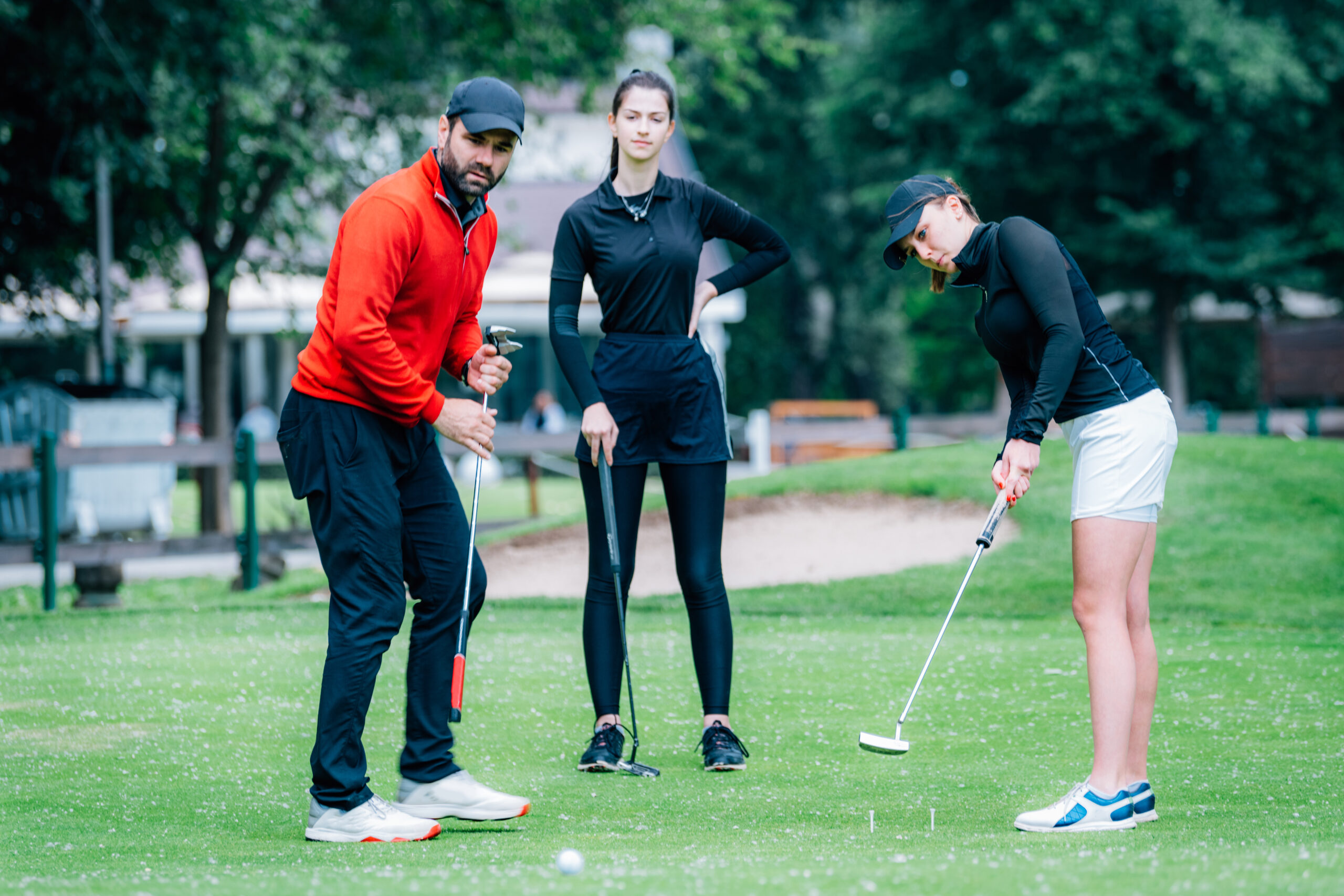
Golf
Golf is a thinking game that builds patience, discipline, and personal accountability.
There is nowhere to hide, every decision and every shot belongs to the individual, developing calm, focus, and integrity under pressure.
-
Manage pressure and expectations
-
Stay focused over long periods
-
Control emotions after mistakes
-
Make strategic decisions
-
Show respect and integrity
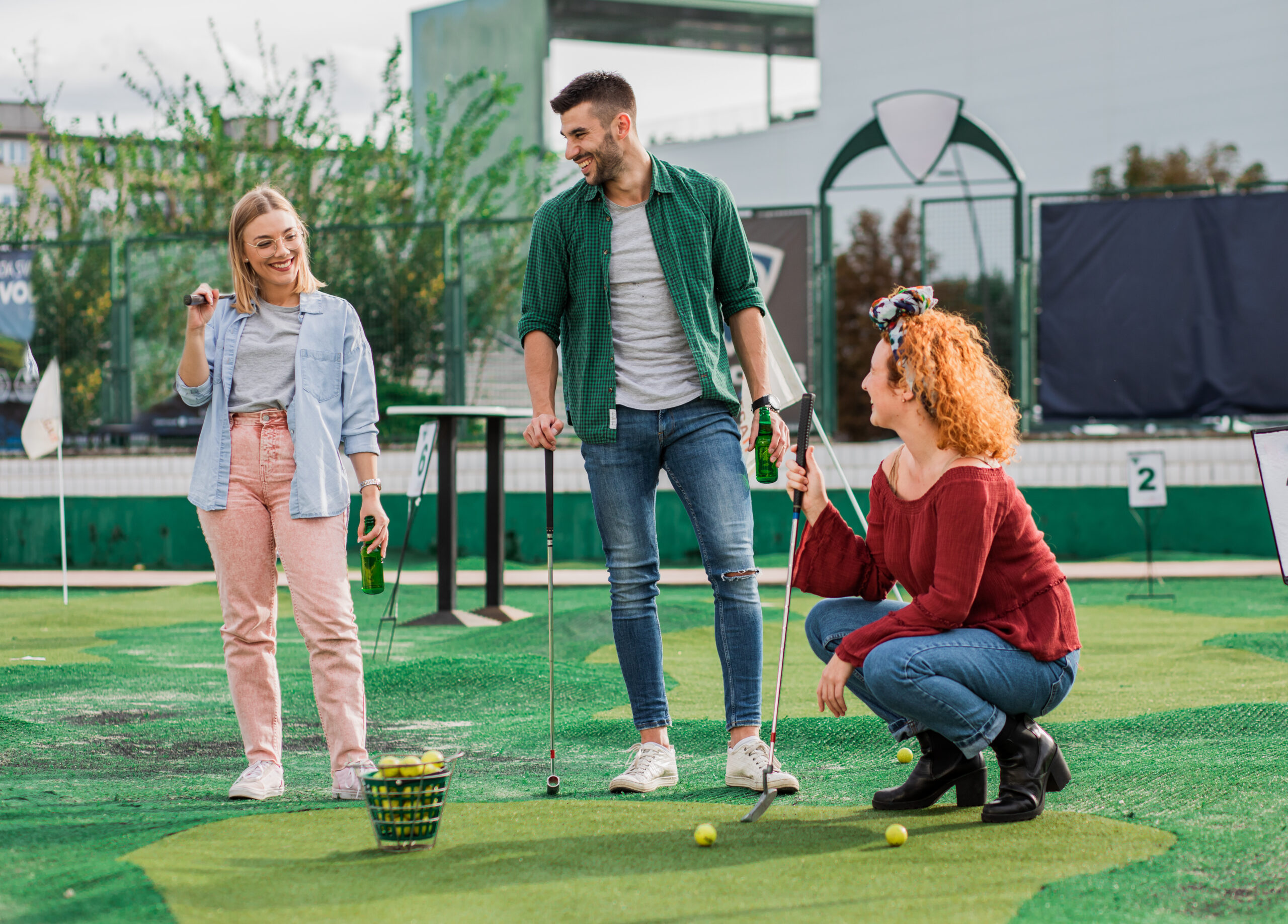
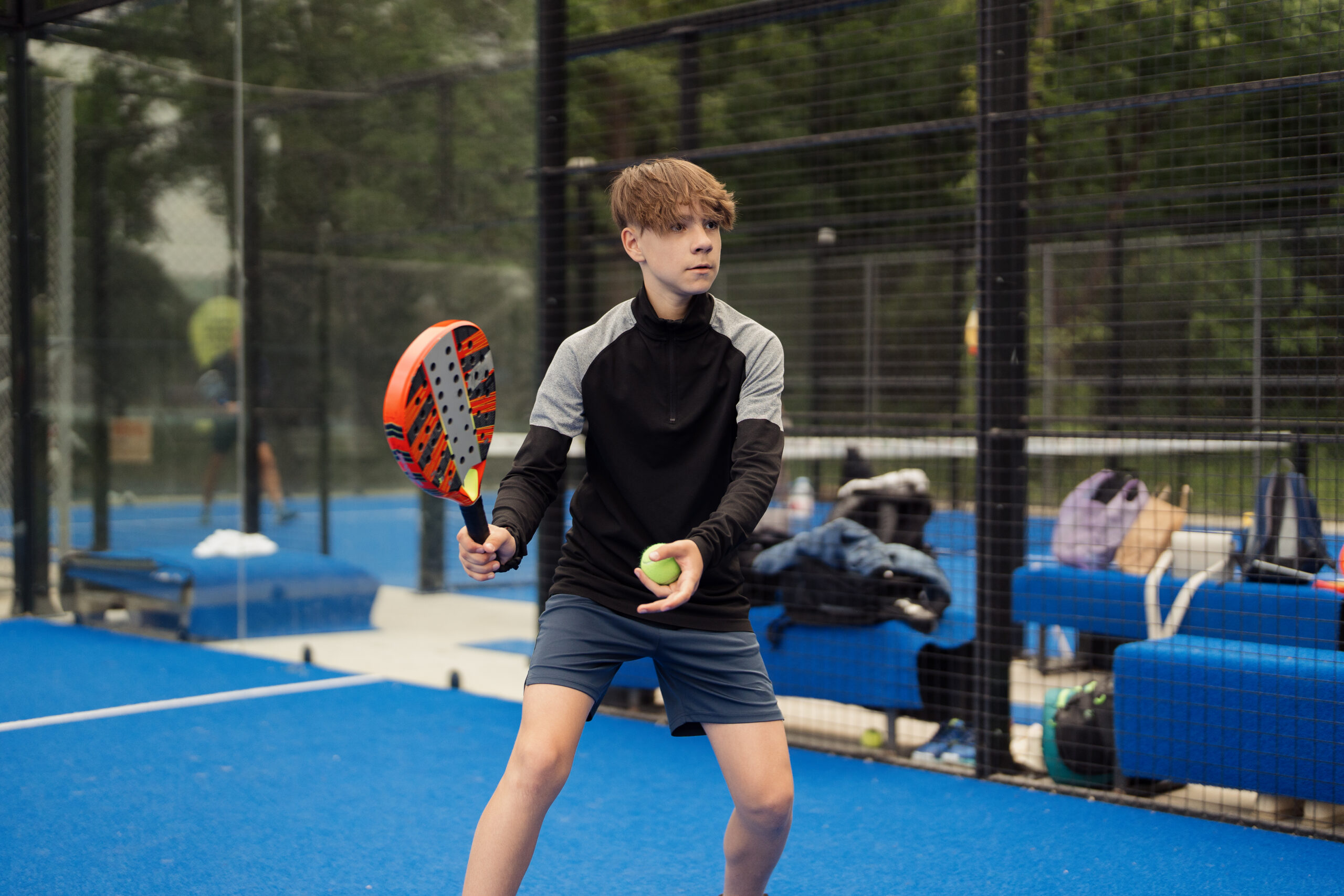
Padel Ball
Padel Ball is fast, social, and competitive, demanding clear communication and teamwork from the first minute. The pace of the game builds confidence, adaptability, and leadership presence in a group setting.
-
Communicate clearly under pressure
-
Build trust with teammates
-
Make quick decisions
-
Adapt to changing situations
-
Develop confidence in group environments
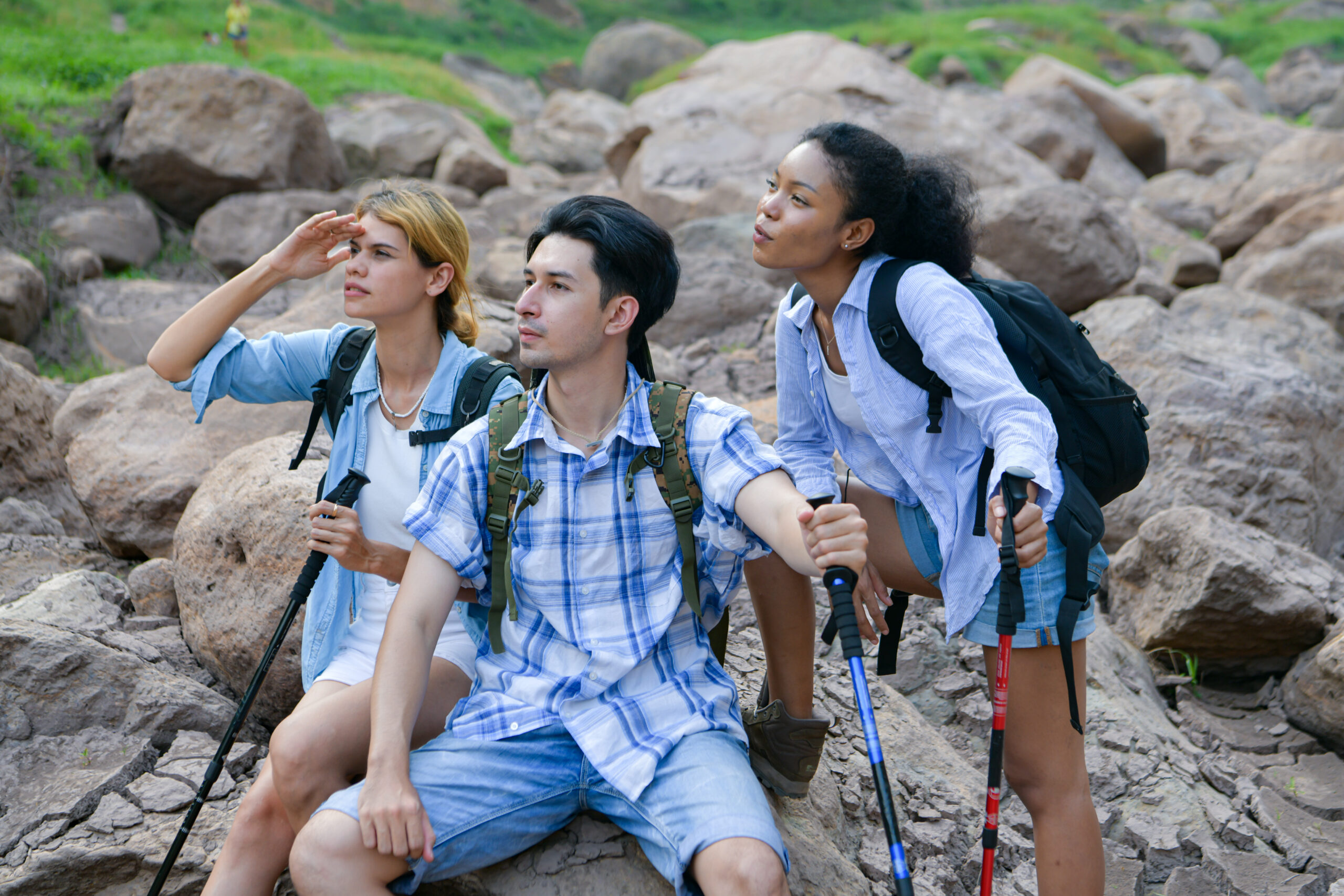
Hiking and Outdoor Challenges
Hiking builds mental strength through steady progress and real effort—there are no shortcuts. In nature, distractions fall away, creating space for reflection, connection, and leadership that emerges through action rather than titles.
- Build resilience and stamina
- Solve problems in real conditions
- Plan and prepare effectively
- Support and motivate others
- Lead without authority
Shape a brighter future
How This Supports the Leadership Journey
These activities are not standalone sessions, they feed directly into our leadership development work. Young people reflect on how they handled pressure, communicated with others, and stepped into leadership or support roles. We then connect these real experiences to education, work, and future goals, making leadership practical, personal, and real.
-
Handling pressure and decision-making
-
Communication and teamwork
-
Leadership and followership
-
Learning from experience
-
Applying skills to education, work, and long-term goals


